悉尼科技大学澳中关系研究院发布报告,揭示中国对澳投资大幅下滑
New Report Highlights Urgent Need for Clearer, More Workable Investment Frameworks
新报告凸显建立更清晰、更可操作投资框架的紧迫性
On 28 April 2026, AustCham China highlighted a major new report from the Australia-China Relations Institute at the University of Technology Sydney (UTS:ACRI), which warns that Chinese investment into Australia has fallen to historically low levels, even as Chinese investors continue to deploy capital globally.
2026年4月28日,中国澳大利亚商会重点推介了悉尼科技大学澳中关系研究院(UTS:ACRI)发布的一份重要报告。报告警告称,尽管中国投资者在全球范围内持续布局,但中国对澳大利亚的投资已跌至历史低位。
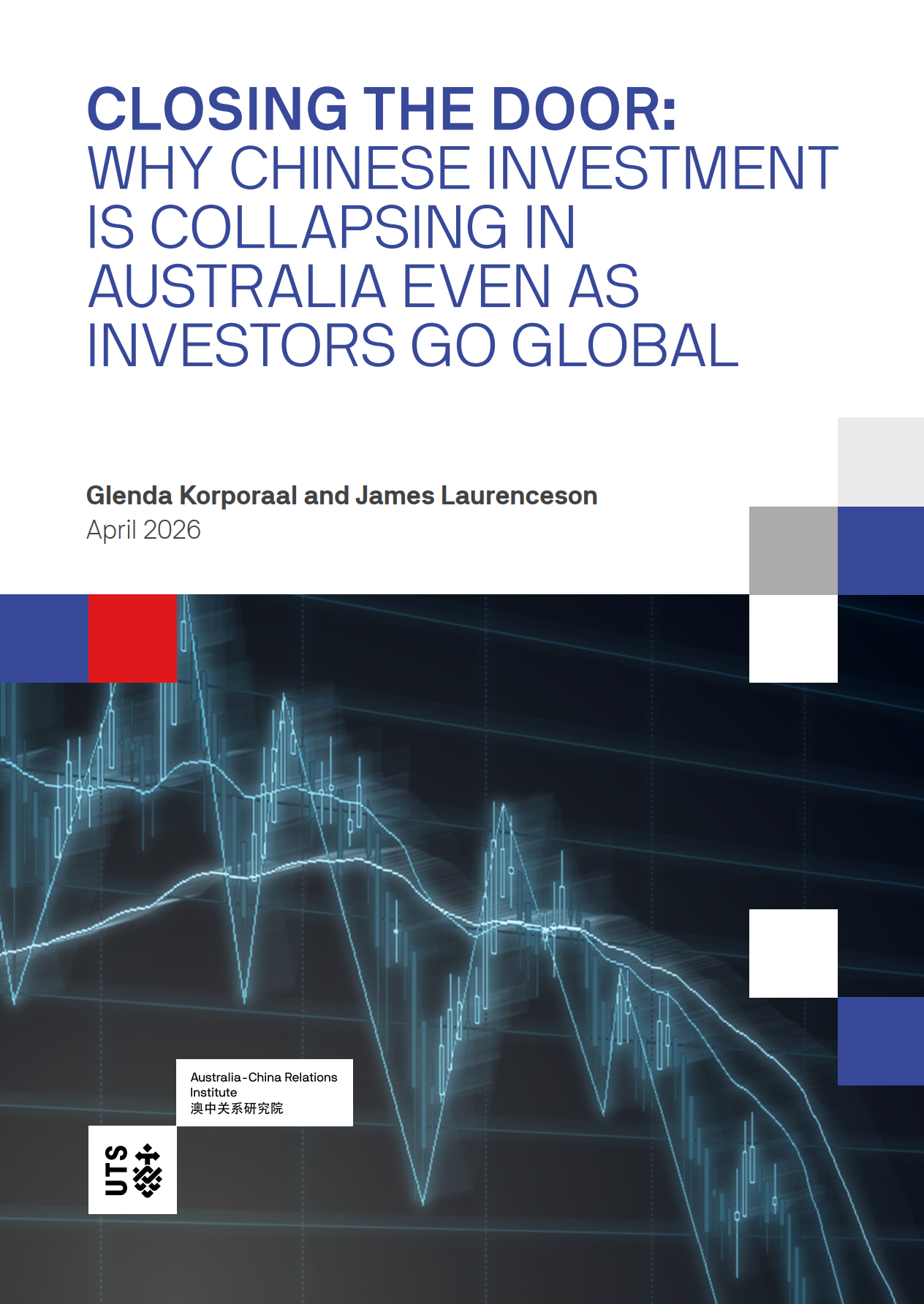
The report, Closing the Door: Why Chinese Investment is Collapsing in Australia Even as Investors Go Global, provides a comprehensive, systematic analysis of this trend, moving beyond isolated anecdotes to examine its causes and consequences.
这份题为《Closing the Door: Why Chinese Investment is Collapsing in Australia Even as Investors Go Global(关上大门:中国对澳投资大幅下滑,中企却在全球持续布局)》的报告,对投资下滑趋势进行了全面、系统的分析,超越了零散个案,深入探究了其原因和影响。
Why this matters for business
为什么这对企业很重要
According to the report, the value of new Chinese investment approved by Australia’s Foreign Investment Review Board (FIRB) is now so low that China often does not appear among the top 10 source countries. This decline is striking because it occurs against a backdrop of continued global growth in Chinese outward investment across energy, manufacturing, technology, and infrastructure.
报告显示,经澳大利亚外国投资审查委员会(FIRB)批准的中国新增投资额度持续走低,中国已频繁跌出该委员会季度外资来源地前十榜单。这一趋势尤为引人关注,因为其发生在中国对外投资在全球范围内(涵盖能源、制造、科技及基础设施等领域)持续增长的背景之下。
The report identifies Australian policy settings as the decisive factor. Market participants and advisers consistently point to an investment screening process that is seen as unclear, unpredictable, and difficult to navigate.
报告认为,澳大利亚的政策环境是决定性因素。市场参与者与专业顾问普遍认为,澳大利亚的外资审查流程不清晰、不可预期且操作难度大。
Businesses are not dismissing national security concerns. Industry participants recognise that scrutiny in areas like critical infrastructure and technology is legitimate. However, the central concern identified is a procedural one: the FIRB process is often described by market participants as “a black box”, “a no man’s land”, “irrational” and “cumbersome”.
企业并未否认国家安全审查的合理性。业内人士认可在关键基础设施和技术等领域加强审查是正当必要的。但核心问题在于程序层面:市场参与者普遍将FIRB流程形容为“黑箱”、“无人区”、“缺乏合理性”和“流程繁琐”。
AustCham China member perspectives
中国澳大利亚商会会员的观点
AustCham China’s own member perspectives are reflected in the report. Drawing on our May 2025 survey, the report notes that only 0.4 percent of respondents regarded FIRB guidelines as clear, while 77 percent considered them unclear or very unclear. Furthermore, only 0.4 percent viewed Australia’s foreign investment settings as conducive for PRC investment, compared to 67 percent who described them as restrictive or very restrictive.
报告也反映了中国澳大利亚商会会员的观点。根据商会2025年5月的调研,仅有0.4%的受访者认为FIRB相关规则是清晰的,而77%的受访者认为其不清晰或非常不清晰。此外,仅有0.4%的受访者认为澳大利亚外资政策有利于中国投资,而67%的受访者认为其具有较强或极强的限制性。
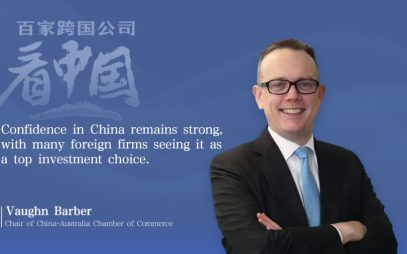
AustCham China Chair Vaughn Barber is quoted as saying that while businesses are not in a state of panic, there is “a strong sense of frustration” and “procedural frustration.” He noted that the issue does not only affect Chinese investors, but also Australian businesses seeking capital, partners, or technology from China.
中国澳大利亚商会会长冯栢文(Vaughn Barber)在报告中表示,企业虽未陷入恐慌,但普遍存在“强烈的挫败感”和“对审批流程的不满”。他指出,该问题不仅影响中国投资者,也影响到寻求来自中国的资金、合作伙伴或技术的澳大利亚企业。
The commercial consequences
商业后果
The report includes a detailed case study of Beijing Energy International, where proposed investments in Australian renewable energy assets were terminated after extended FIRB review periods. This illustrates the commercial consequences of prolonged uncertainty, where otherwise viable transactions may never be pursued if the approval pathway is unclear or timelines are too uncertain.
报告还提供了北京能源国际的案例研究。该公司原计划投资澳大利亚可再生能源资产,但由于FIRB审查周期过长,最终终止相关投资。这说明了长期不确定性带来的商业后果:如果审批路径不清晰或时间周期不确定,许多原本具备商业可行性的交易可能根本不会启动。
This issue is especially important in sectors where Australia’s economic and energy-transition goals may require access to capital, technology, and project execution capability from multiple sources.
这一问题在部分关键领域尤为重要,例如,澳大利亚实现经济发展与能源转型目标,可能需要来自多元来源的资本、技术及项目执行能力。
The path forward
前进的方向
The report points to scope for improvement if clearer guidance, more effective early engagement, realistic timelines, and acceptable mitigation pathways can be developed. AustCham China’s recent ChAFTA review submission also highlighted the importance of clearer, more predictable investment settings for the next phase of bilateral engagement.
报告指出,如果能够建立更明确的政策指引、更有效的前期沟通机制、更加合理的审批时限以及可行的风险缓释路径,则仍存在明显的改善空间。中国澳大利亚商会在近期提交的ChAFTA审议意见中,也强调了打造更清晰、更可预期的投资环境对双边关系下一阶段发展的重要性。
AustCham China encourages a constructive dialogue on this issue to ensure Australia can protect its national security while still enabling commercially sound investment that supports its economic resilience, energy transition, and long-term engagement with China.
中国澳大利亚商会鼓励就这一问题开展建设性对话,以确保澳大利亚在维护国家安全的同时,仍能吸引支持其经济韧性、能源转型及对华长期经贸合作关系的合理商业投资。
The full report can be accessed via the link in the original article.
完整报告可通过原文链接查阅。