Five years after an investment, what can Australian businesses and their people do that they could not do before—and how has that strengthened the investor’s business?
一项投资落地五年后,澳大利亚企业及其员工掌握了哪些此前不具备的能力?这些能力又如何增强了投资者自身的业务实力?
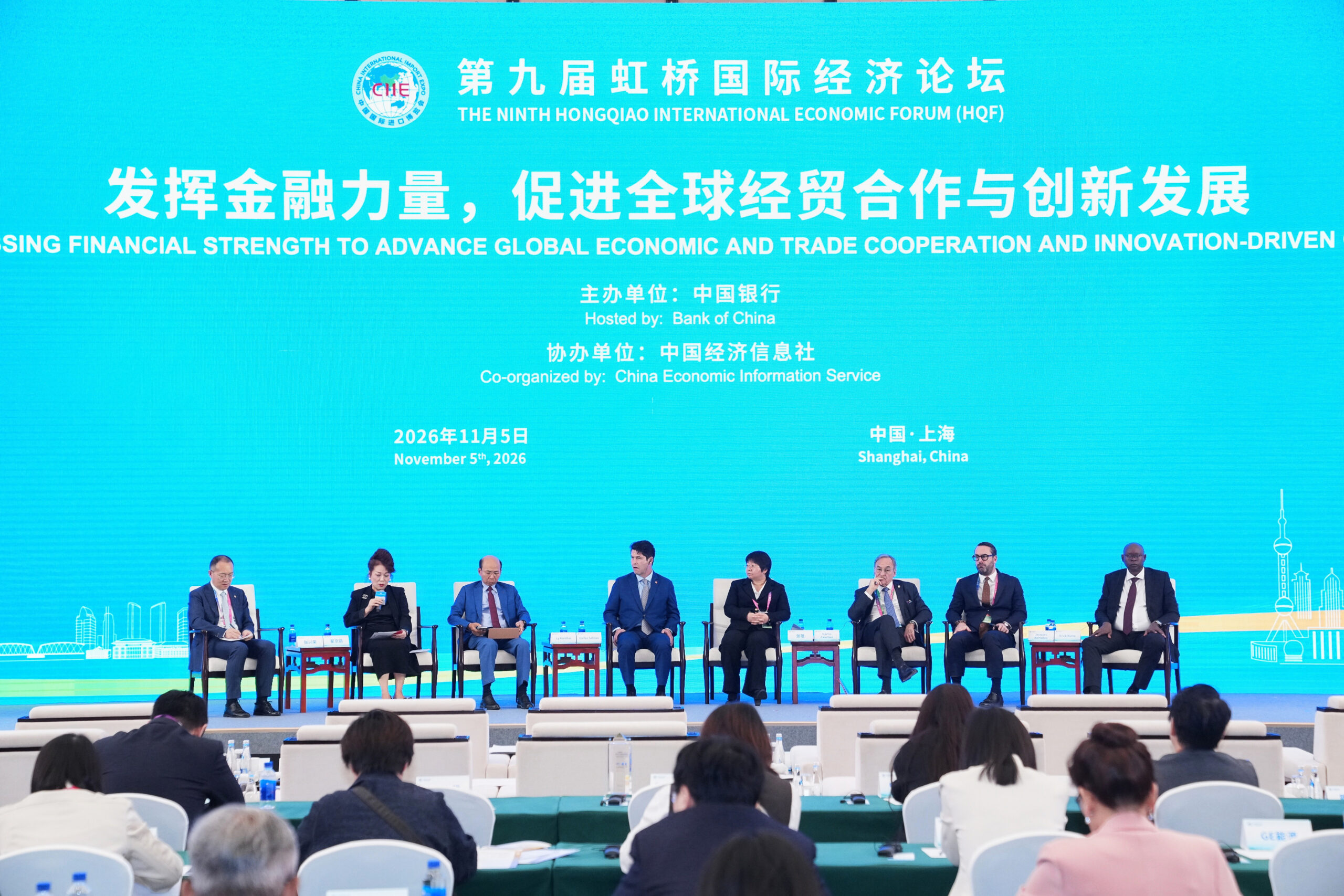
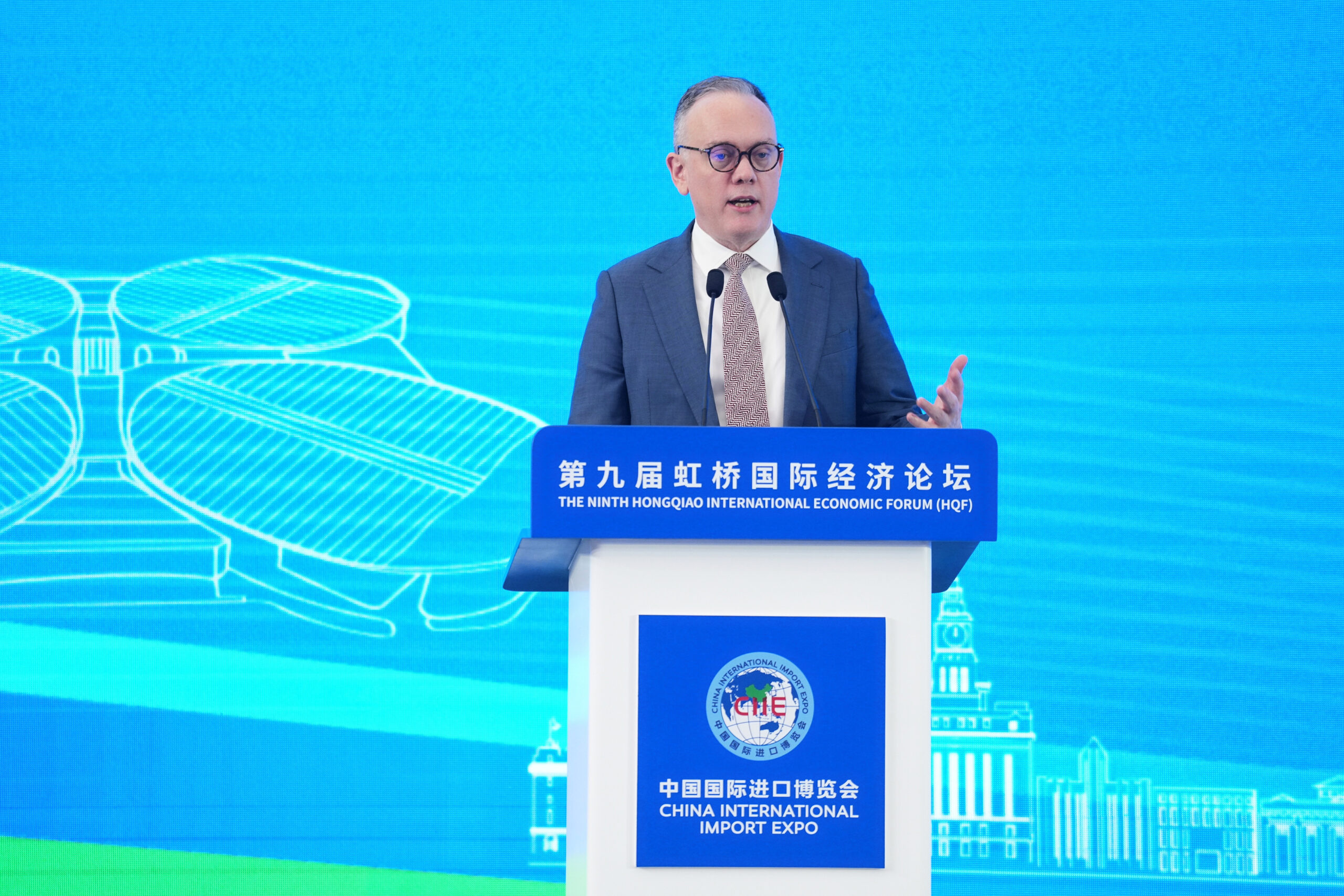
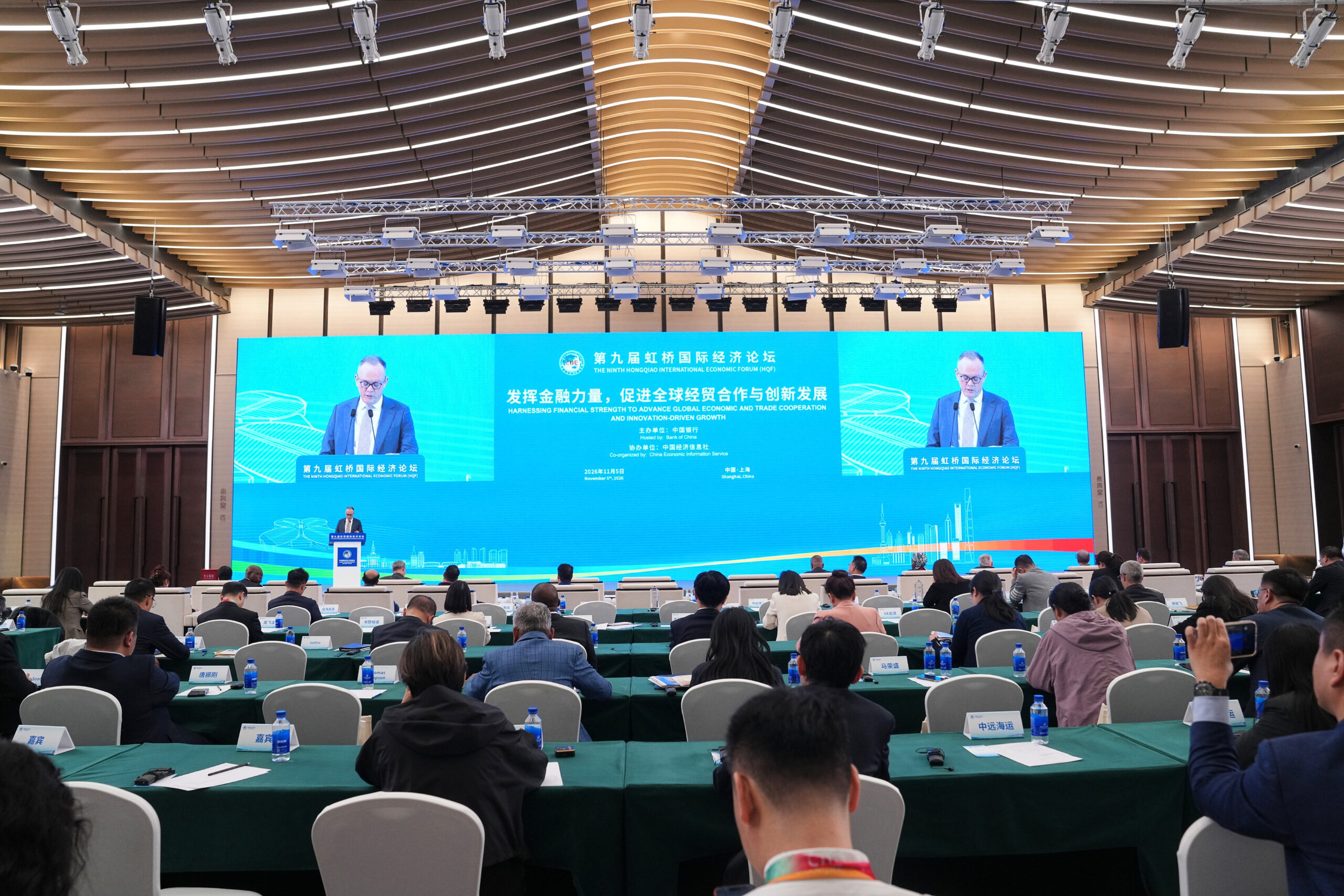
That question was at the heart of AustCham China Chair Vaughn Barber’s keynote at the ninth Hongqiao International Economic Forum in Shanghai on 5 November: how investment can build lasting Australian capability while helping Chinese partners succeed internationally.
这一问题正是中国澳大利亚商会会长冯栢文(Vaughn Barber)11月5日在上海举行的第九届虹桥国际经济论坛上发表主旨演讲的核心:如何通过投资,为澳大利亚培育持久的本土能力,同时助力中国合作伙伴在国际市场取得成功。
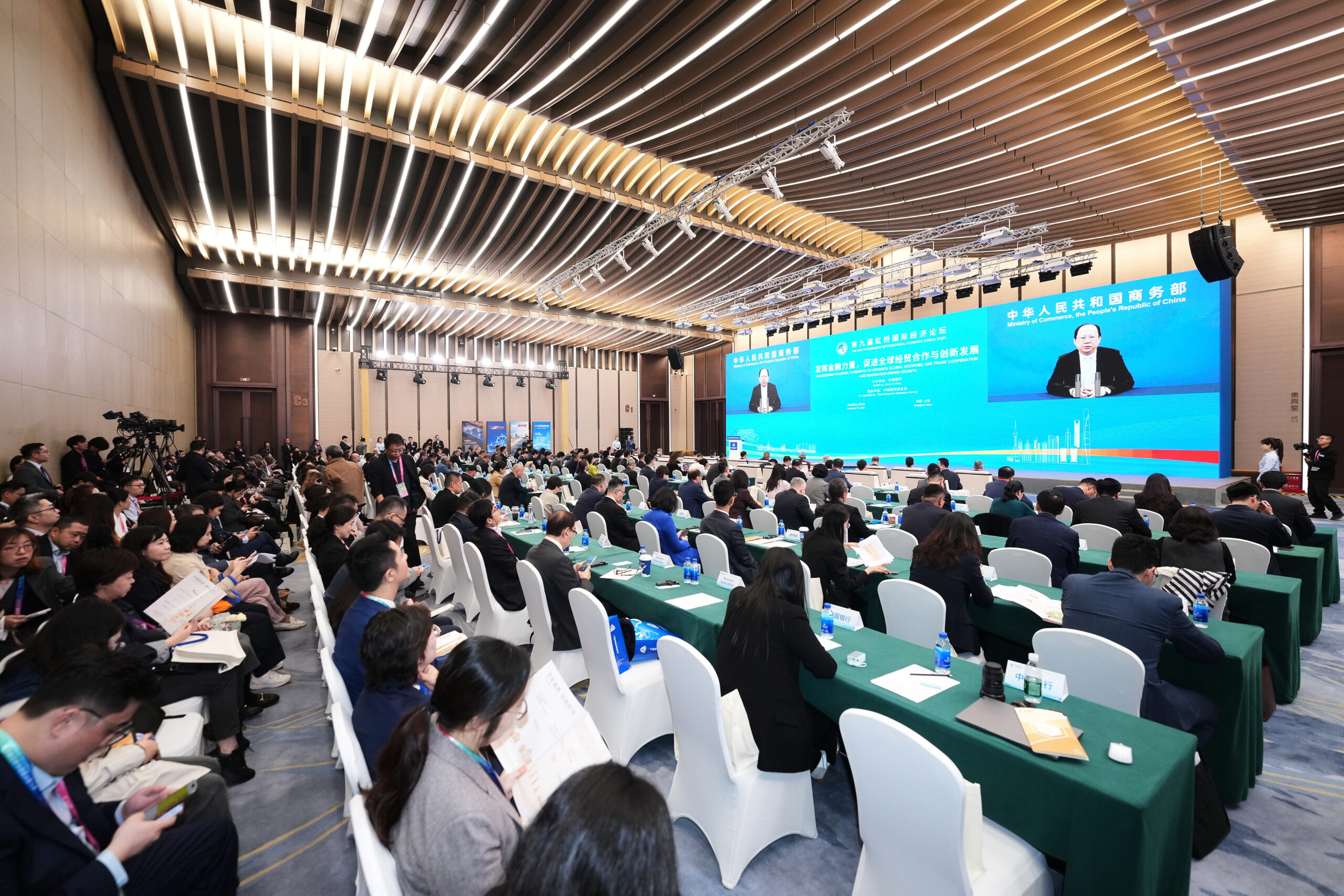
At the invitation of Bank of China, Vaughn spoke during the China International Import Expo (“CIIE”) at the Bank’s session, “Harnessing Financial Strength to Advance Global Economic and Trade Cooperation and Innovation-Driven Growth”. His keynote, “Harnessing Financial Strength to Build Capability Together”, set out a commercial proposition for the next phase of Australia–China cooperation.
应中国银行邀请,冯栢文在中国国际进口博览会(“进博会”)期间,于该行主办的“发挥金融力量,推动全球经贸合作与创新驱动增长”专题会议上发表演讲。他以“发挥金融力量,携手共建能力”为题,为下一阶段的中澳合作提出了一个以商业价值为基础的合作构想。
Bank of China connects businesses with opportunity
中国银行助力企业对接机遇
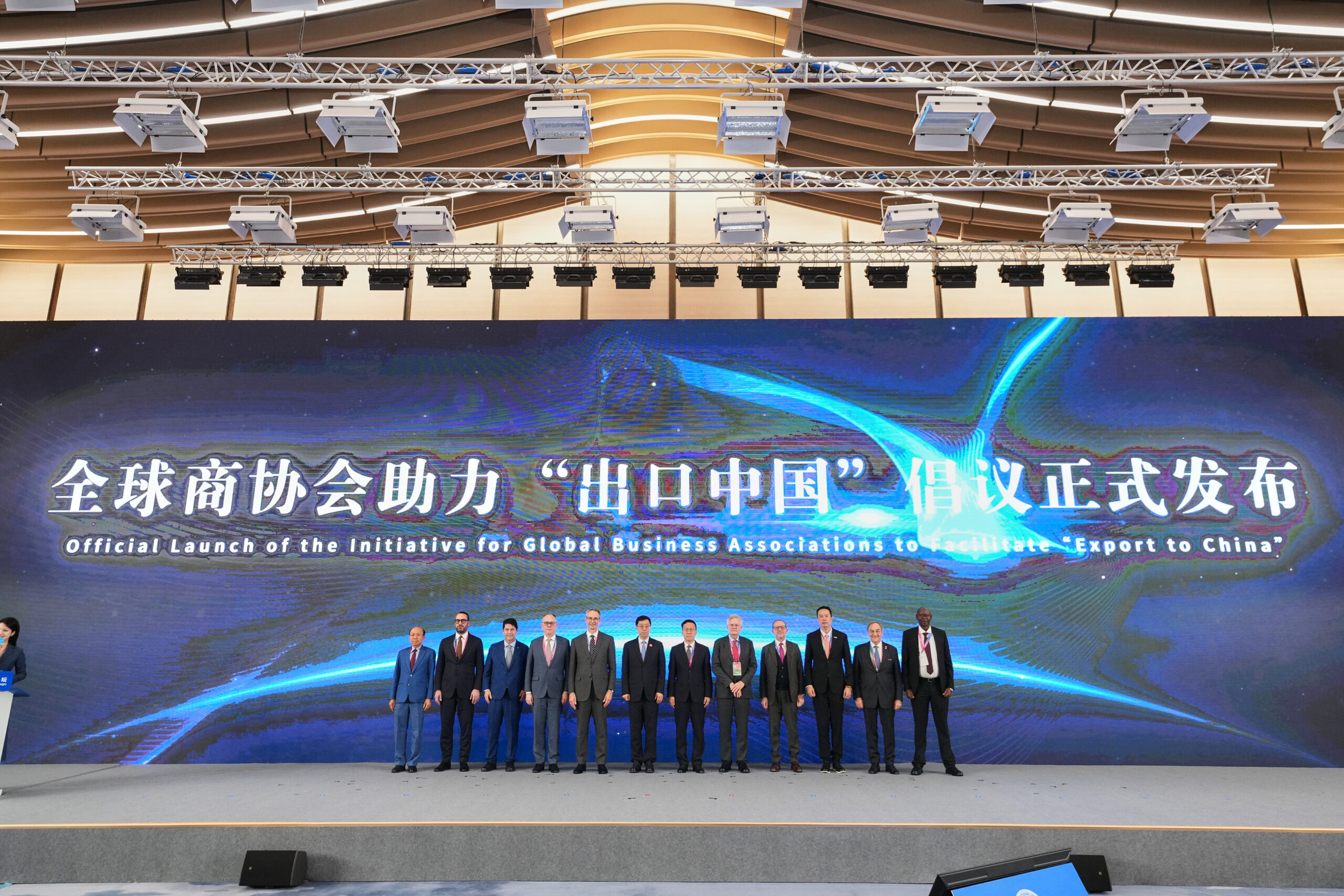
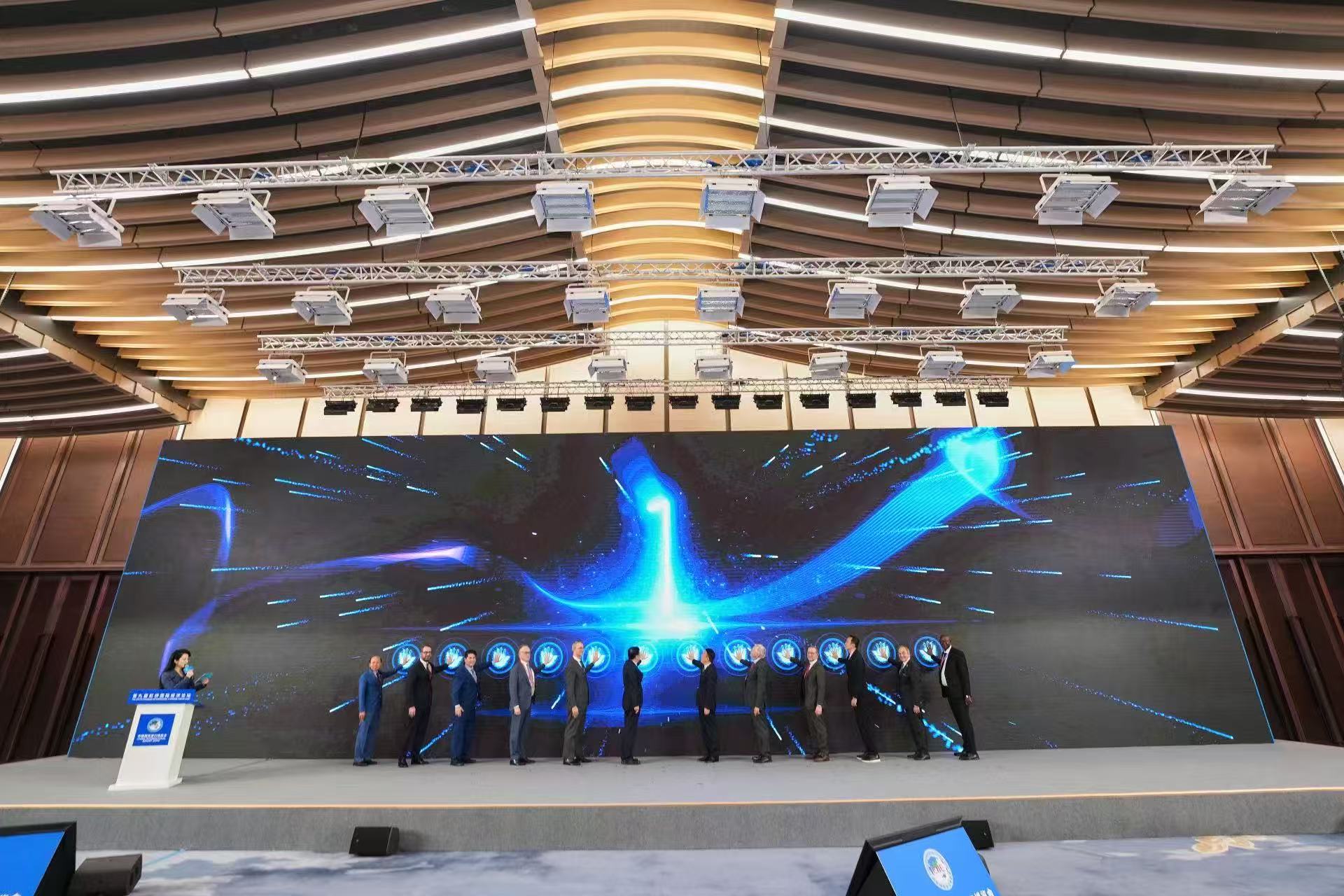
AustCham China also participated in the launch of the global business associations’ “Export to China” initiative, convened by Bank of China at the forum. Selling Australian goods and services to Chinese customers remains central to the relationship and to the purpose of CIIE. The initiative provides a further platform for business connections and cooperation around access to that market.
Giving both partners a reason to invest
让合作双方都有投入的理由
引进技术可以提高生产率,而培育澳大利亚的本土能力,则需要合作双方作出进一步承诺。技术拥有方需要有商业动力,在技术供应之外持续投入;澳大利亚合作方则需要确信,自己能够应用其参与创造的改进成果,并从中获益。“For this next phase, I propose a new investment bargain: one that keeps Australia open to leading technology and gives investors a commercial reason to build lasting Australian capability.”
“面向下一阶段,我提议构建一种新的投资合作模式:既让澳大利亚继续向全球领先技术敞开大门,也让投资者有商业动力,在澳大利亚培育可持续的本土能力。”
The commercial logic is straightforward: a stronger Australian business can help its Chinese partner win customers, improve production and develop better products. Investing in the business’s ability to keep improving can benefit both partners.
其中的商业逻辑很清晰:更具实力的澳大利亚企业,能够帮助中国合作伙伴赢得客户、改进生产并开发更好的产品。对企业能力进行投资,使其起不断提升,可以让合作双方共同受益。
Capital and technology need not come from the same partner
资金和技术不必来自同一合作方
Capabilities that reach beyond one contract
超越单一合同、持续发挥价值的能力
墨尔本收获了列车和技术型就业岗位,合作各方获得了可观的业务,而一家澳大利亚供应商则掌握了能够用于合同之外其他业务的能力。
The value extends beyond delivery of a single project: an Australian supplier can use the capabilities it has developed to pursue further opportunities.
其价值超越了单个项目的交付:澳大利亚供应商可以凭借在合作中积累的能力,开拓更多商机。
A smaller market can create a substantial business
较小的市场,也能支撑可观的业务规模

Australian investment creates demand in China
澳大利亚投资在中国创造需求
Building more value in Australia
在澳大利亚创造更多附加值
双方可以共同投资,在澳大利亚开展生产,向客户销售加工后的产品。在建设工厂的同时,双方还可以出资组建本地团队,针对澳大利亚原料的特点调整和改进工艺,提高有用物料的回收率、降低能耗,并确保生产稳定可靠。这些工作既能提升合资项目的盈利能力,也能在澳大利亚积累专业技术与经验。
The partners protect their existing intellectual property and agree how each can use and earn from improvements developed together. The Australian business gains production and expertise. The Chinese partner earns a return from the venture and gains improvements it may be able to apply in other markets. Both have a commercial reason to invest in Australian capability.
双方在保护各自现有知识产权的基础上,约定如何使用共同开发的改进成果,并从中获益。澳大利亚企业获得生产能力与专业技术,中国合作伙伴则获得项目投资回报,并取得有望应用于其他市场的改进成果。由此,双方都有商业动力投资于澳大利亚的本土能力建设。
Housing offers another practical application. For more than a year, AustCham China has advocated modular housing partnerships combining Chinese manufacturing with Australian design and construction expertise, aiming to deliver homes faster while developing Australian businesses and skills. Transport, agriculture and healthcare offer further possibilities.
住房领域也提供了一个切实的应用场景。一年多来,中国澳大利亚商会持续倡导模块化住房合作,将中国的制造能力与澳大利亚的设计和施工专长相结合,旨在加快住房交付,同时促进澳大利亚企业发展和技能提升。交通、农业和医疗健康领域也蕴含着更多合作机遇。
AI offers opportunities in applications and infrastructure. Chinese autonomous-haulage technology is already operating at a gold mine in Western Australia. Chinese companies also bring capabilities in data-centre power equipment, cooling and energy storage. Investment in supplying, adapting and maintaining these systems in Australia can build local businesses and skills.
人工智能在应用和基础设施领域同样带来了机遇。中国的无人驾驶矿用运输技术已在西澳大利亚的一座金矿投入使用。中国企业在数据中心供电设备、冷却系统和储能方面也具备相应能力。投资于这些系统在澳大利亚的供应、本地化适配和维护,可以带动本土企业发展与技能积累。
Security and Prosperity must advance together
安全与繁荣必须协同推进
Some risks cannot be accepted. Others can be managed through an investment’s design and operation. Excluding an entire field can also deny Australian businesses technology that would improve productivity. That cost belongs in the assessment too.
有些风险不可接受,另一些则可以通过投资项目的设计与运营加以管理。将整个领域排除在投资之外,也可能使澳大利亚企业无法获得有助于提高生产率的技术。这一代价同样应纳入评估。
Where sovereign capability matters, skills alone are not enough. Australian businesses also need rights, access to supplies and the practical ability to keep essential operations running if conditions change.
Making every component locally can add cost without securing that ability. Building local capability can strengthen resilience. It does not remove the need to assess security risks or preserve future choice.

Clear rules can make cooperation possible
明确的规则让合作成为可能
“中国的产业进步可以帮助澳大利亚增强自身的生产能力,而澳大利亚由此培育的能力,也能反过来助力中国企业在国际市场取得成功。”
For AustCham China, the forum was an opportunity to put that proposition before an international business and financial audience, and to strengthen the relationships that make practical cooperation possible. With thanks to Bank of China and its team, the invitation is to build on those connections and bring more commercially viable partnerships into being.
对于中国澳大利亚商会而言,此次论坛提供了一个机会,向国际工商界和金融界阐述这一合作构想,并深化促成务实合作的伙伴关系。商会感谢中国银行及其团队的支持,并期待以这些联系为基础,推动更多具有商业可行性的合作项目落地。
“That is the investment bargain I invite us to finance.”
“这正是我倡议大家共同出资支持的投资合作模式。”